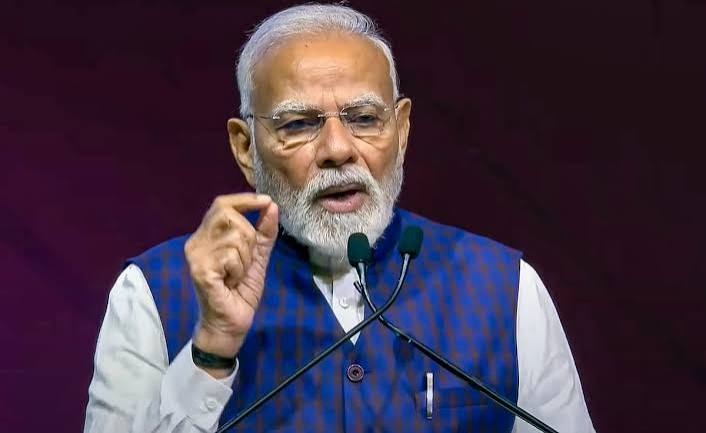
SRINAGAR, AUGUST 30: The comprehensive sanitation and scientific waste management system implemented during the Shri Amarnath Ji Yatra 2026 has received national recognition, with Prime Minister Shri Narendra Modi highlighting the Yatra’s sanitation arrangements and scientific waste management model in the latest episode of “Mann Ki Baat”.
The Prime Minister’s mention comes shortly after conclusion of the Yatra on August 28, 2026. It appreciably recognises the coordinated efforts undertaken to manage sanitation and waste across the challenging Himalayan terrain.
The Directorate of Rural Sanitation, Department of Rural Development & Panchayati Raj, J&K, implemented a comprehensive sanitation and waste management framework across the Baltal and Pahalgam axes, base camps and key Yatra locations. The system had been designed to cater to the requirements of lakhs of pilgrims while ensuring that cleanliness and environmental protection remained central to management of the pilgrimage.
As part of the extensive sanitation arrangements, over 8,000 sanitation facilities and supporting infrastructure were deployed across the Yatra ecosystem. These included prefabricated sanitation structures, toilets, bathing facilities and pucca bases, providing pilgrims with clean, safe and dignified sanitation facilities during the pilgrimage.
The infrastructure was backed by dedicated sanitation personnel deployed across the Yatra routes, camps and high-footfall areas. Their responsibilities extended beyond routine cleaning and included the continuous upkeep of sanitation facilities, cleanliness of public spaces, prevention of litter accumulation and maintenance of hygienic conditions along the pilgrimage routes.
A robust scientific solid waste management system was simultaneously operationalised to manage the substantial quantum of waste generated during the Yatra.
The system ensured end-to-end waste management, covering segregation at source, collection, transportation, processing and scientific disposal. It ensured that waste generated at base camps and along the Yatra routes was systematically channelled for appropriate processing.
Under the Zero Waste to Landfill approach, a total of 414.46 metric tonnes of waste was collected and processed during the Shri Amarnath Ji Yatra 2026.
The intervention assumed particular significance given the fragile ecological character of the Himalayan terrain through which the Yatra passes. Integrating sanitation infrastructure with scientific waste management helped minimise the environmental footprint of the large-scale pilgrimage while maintaining essential public health and hygiene standards.
Similarly, IEC interventions were undertaken to encourage the pilgrims to adopt responsible waste management practices, use designated sanitation facilities and contribute towards maintaining cleanliness of the Yatra environment.
The emphasis was on promoting a “Swachh Yatra” culture, positioning cleanliness and responsible waste disposal as a shared responsibility involving the administration, sanitation workforce, pilgrims, service providers and other stakeholders. The technology-enabled monitoring and field-level supervision further strengthened the system by supporting oversight of sanitation services and waste management operations across the Yatra routes and camps.
Prime Minister’s mention of the sanitation and waste management efforts in Mann Ki Baat provides national recognition to the concerted efforts undertaken by the administration and sanitation teams to establish a sustainable framework for managing the waste and sanitation during one of the country’s major annual pilgrimages.
“With over 8,000 sanitation facilities deployed and 414.46 MT of waste collected and processed, the Yatra has demonstrated how infrastructure, manpower, technology and behavioural change can work together to create a cleaner and more environmentally responsible pilgrimage experience,” said Director General Rural Sanitation, J&K, Anoo Malhotra.(KNS)