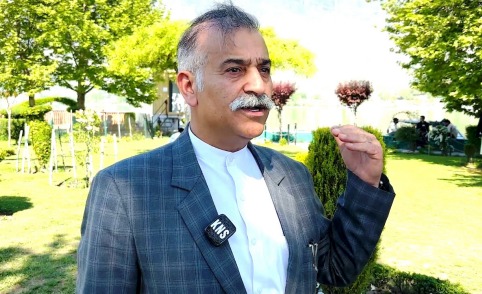
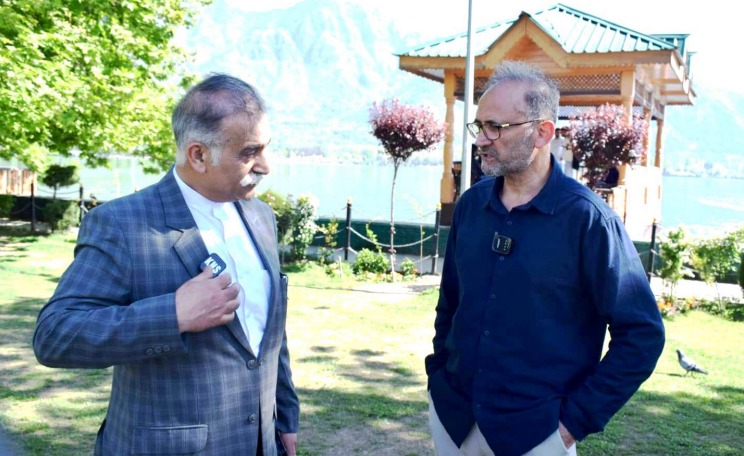
In a candid and wide-ranging conversation with Kashmir Magazine Editor Mohammad Aslam Bhat, Vice Chairman of the Lake Conservation and Management Authority (LCMA), Manzoor Qadri, lays out the evolving strategy to safeguard Dal Lake from sewage treatment infrastructure and anti-encroachment measures to managing the rising pressure of tourism. As the lake continues to anchor Kashmir’s economy and identity, Qadri speaks on the delicate balance between preservation and utilization, warning that its future hinges on respecting ecological limits.
Excerpts
KM: Dal Lake has always symbolised Kashmir. How do you define its importance in today’s context?
Manzoor Qadri: Dal Lake is not merely a tourist attraction, it is central to Kashmir’s identity, economy and ecology. For most visitors arriving in Srinagar, Dal Lake is their first point of engagement with the Valley. That makes it both an opportunity and a responsibility.
From an administrative perspective, this means one thing clearly: preservation must come before projection. If the lake is not clean and ecologically stable, tourism itself cannot sustain. So our first priority remains maintaining its health in a consistent and measurable manner.
KM: What are the key interventions currently in place to maintain cleanliness and ecological balance?
Qadri: We are working through a combination of mechanised and manual systems. Machines have been deployed to remove lily pads, which had become a visible and ecological concern across several sections of the lake. However, machines alone cannot address all areas, especially the narrow channels and interior zones so manual de-weeding operations continue alongside.
Equally important is waste management. We now have a structured system in place for the regular collection of solid waste from the lake’s surface. This ensures that floating waste is removed before it can settle or decompose and affect water quality.
These measures are part of an ongoing cycle not isolated drives because the lake requires continuous attention rather than periodic clean-ups.
KM: Sewage inflow has historically been one of the biggest threats to Dal Lake. How has that been addressed?
Qadri: This is an area where we have made significant progress. Nearly 95 percent of houseboats are now connected to sewage treatment infrastructure. Across the Dal Lake circuit, there are six Sewage Treatment Plants (STPs)—five operated by LCMA and one by the Urban Environmental Engineering Department.
The guiding principle is simple: untreated sewage should not enter the lake under any circumstances. All wastewater generated within the lake and its catchment is diverted to these STPs, where it is treated to meet the standards laid down by the Central Pollution Control Board (CPCB).
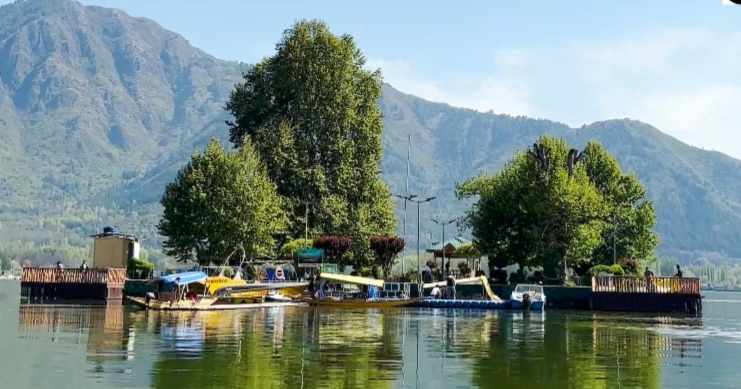
Even when treated effluent is released, it complies fully with environmental norms and does not pose any harm. This marks a structural shift from earlier decades, when untreated discharge was a major contributor to degradation.
KM: Concerns are often raised about encroachments and shrinking water spread. What does the data indicate?
Qadri: Dal Lake continues to have an area of approximately 25 square kilometers. There is a perception that the lake is shrinking due to encroachments, but at present, there is no active encroachment.
We have an enforcement mechanism that responds immediately to any complaint or report. The idea is not just to act, but to act quickly enough to prevent any violation from becoming permanent. This responsiveness is crucial in protecting the lake’s physical boundaries.
KM: With tourist numbers rising, especially due to the Tulip Garden, is there added pressure on Dal Lake?
Qadri: The Indira Gandhi Memorial Tulip Garden has significantly increased tourist inflow. A large number of visitors move from Nehru Park Ghat into Dal Lake via motorboats and houseboats.
This is beneficial for the tourism economy, as the Tulip Garden effectively feeds visitors into the larger Srinagar circuit—Dal Lake, Mughal Gardens, and other destinations.
However, increased footfall inevitably brings additional pressure. The challenge is to ensure that tourism growth does not translate into ecological stress. This is where regulation, awareness and infrastructure must work together.
KM: How are local communities within Dal Lake being engaged in conservation efforts?
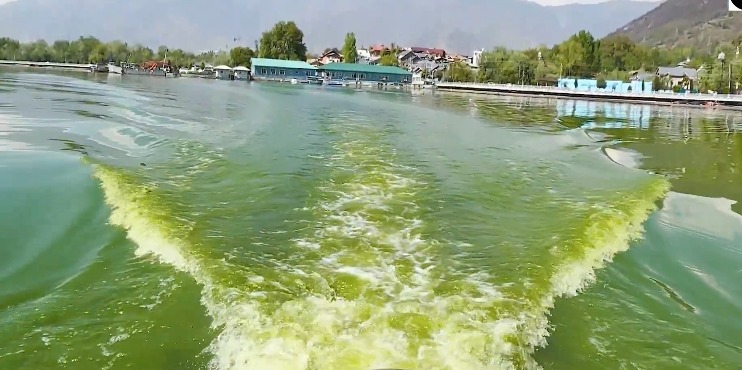
Qadri: There are eight habitations within Dal Lake, and they are an integral part of its ecosystem—not separate from it. Any conservation effort that excludes them cannot succeed.
We maintain regular engagement through awareness camps and direct interaction with stakeholders such as shikara operators, drivers and houseboat owners. They are informed about their responsibilities and the long-term implications of their actions.
The approach is participatory. Enforcement alone cannot protect the lake, community cooperation is equally important.
KM: What legal mechanisms are in place to regulate construction and protect the lake’s surroundings?
Qadri: The framework is guided by the Public Interest Litigation Syed Tahir Iqbal Gilani v. State of J&K. Under this, a 200-meter buffer zone around Dal Lake has been designated as a prohibited area. No new construction is allowed within this zone. Areas such as the Northern Foreshore Road clearly reflect this restriction, where no fresh structures have come up.
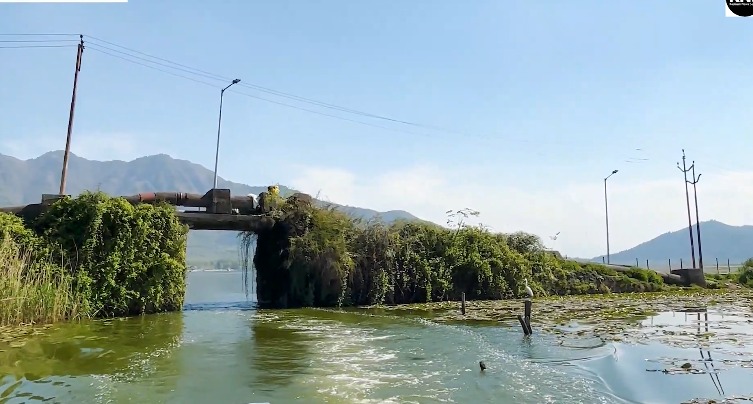
At the same time, there is a practical consideration. Existing structures cannot be removed arbitrarily. The Honorable High Court has permitted only repair and renovation of such constructions. This ensures regulation without creating unnecessary displacement.
KM: Finally, what is your broader message regarding the future of Dal Lake?
Qadri: Dal Lake is a heritage asset, it does not belong to any one institution, but to all of us.
Its future depends on how responsibly we use it. There is a limit to what the lake can sustain its ecological bearing capacity. If we exceed that, the damage may not be reversible.
So the message is simple: avoid overuse, avoid unnecessary pressure, and act with responsibility. Only then can Dal Lake continue to support livelihoods, tourism, and the ecological balance of the region.
KM: Thank you for having us.
Qadri: Thank you