Suraya Majeed
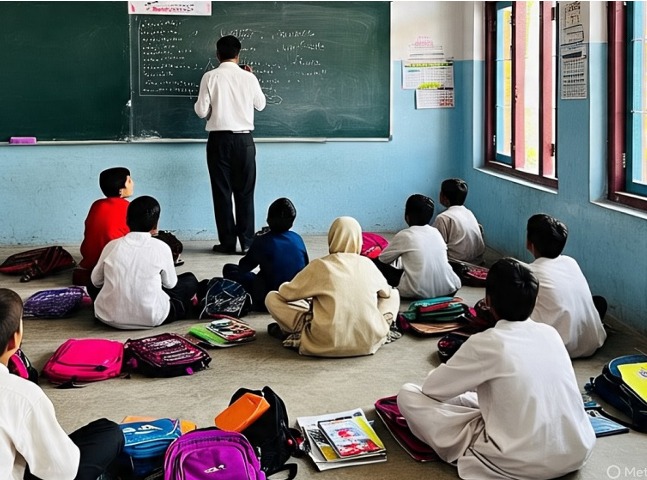
In a modest classroom in north Kashmir, as the morning chill lingers and students settle into their seats, a teacher carefully begins her lesson—not from the textbook alone, but from a place of preparation that started long before the school day. Behind that lesson lies hours of planning, rethinking, and a quiet determination to make learning meaningful.
Across Kashmir, teachers continue to shoulder responsibilities that extend far beyond conventional classroom teaching. While parents often measure education through examination results and report cards, the everyday reality of educators reveals a far more demanding role—one that remains largely unseen and, at times, misunderstood.
Teachers today are not merely instructors; they are expected to be innovators, constantly adapting their methods to engage students with diverse learning needs. Many spend additional hours designing creative approaches, simplifying complex ideas, and ensuring that no student is left behind. Yet, these efforts rarely find acknowledgment in the larger discourse around academic performance.
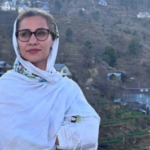
“People think teaching ends with the bell,” says Suraya, a school teacher in district kupwara . “But most of our work begins after that—planning, reflecting, and finding better ways to reach every child.”
Beyond academics, teachers also navigate administrative duties, from maintaining records to implementing government programmes. In many cases, they are assigned responsibilities such as survey work and election duties, which further limit their classroom time. Despite these constraints, the expectation to deliver consistent academic results remains unchanged.
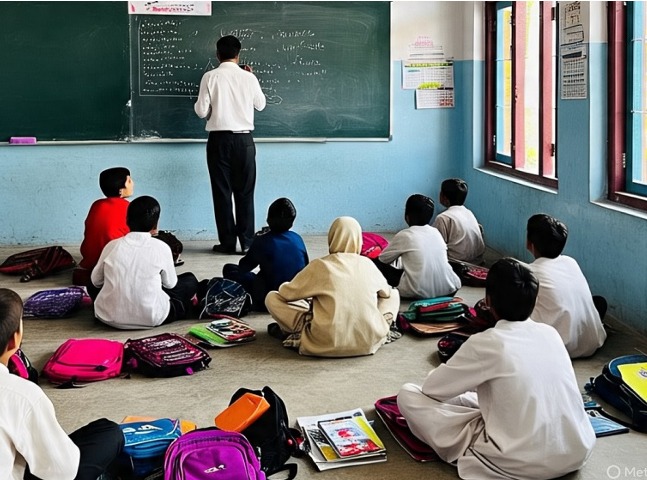
Equally significant, yet often overlooked, is the emotional responsibility teachers carry. In a region shaped by social and economic challenges, classrooms frequently mirror the complexities of students’ lives. Teachers find themselves supporting children dealing with anxiety, lack of motivation, or difficult circumstances at home—roles that go far beyond formal training.
However, a growing disconnect between parental expectations and classroom realities continues to pose challenges. Educationists argue that learning cannot be confined to schools alone. A child’s development is shaped by a shared ecosystem—where teachers, students, and parents form a crucial triangle.
“When this balance is missing, the burden shifts disproportionately onto one side,” says an academic from the University of Kashmir. “Teachers can guide and innovate, but without support at home, the process remains incomplete.”
Many teachers emphasize that while they strive to create engaging and inclusive learning environments, the hours spent with students are limited. What happens beyond school—whether a child is encouraged, understood, or pressured—plays a decisive role in shaping outcomes.
The rapid shift towards modern teaching methods and digital learning has further added to teachers’ responsibilities. Adapting to new tools, often without sufficient resources or training, requires additional effort—particularly in areas where infrastructure remains a challenge. Yet, educators continue to push boundaries, driven by a commitment to their students.
Despite these challenges, the teaching community in Kashmir remains deeply invested in its role. For many, it is not merely a profession, but a responsibility towards shaping a generation that looks to education as a pathway to stability and growth.
As schools across the Valley continue their daily rhythm, the work of teachers quietly unfolds—measured not just in marks, but in moments of understanding, encouragement, and persistence.
Recognizing this unseen dimension is essential. Education cannot rest solely on the shoulders of teachers. It must be a shared effort—where parents and educators work in partnership, completing the triangle that supports a child’s growth.
Only then can the promise of education truly be fulfilled, not just in results, but in the lives it shapes.
Author is Teacher from Kupwara.