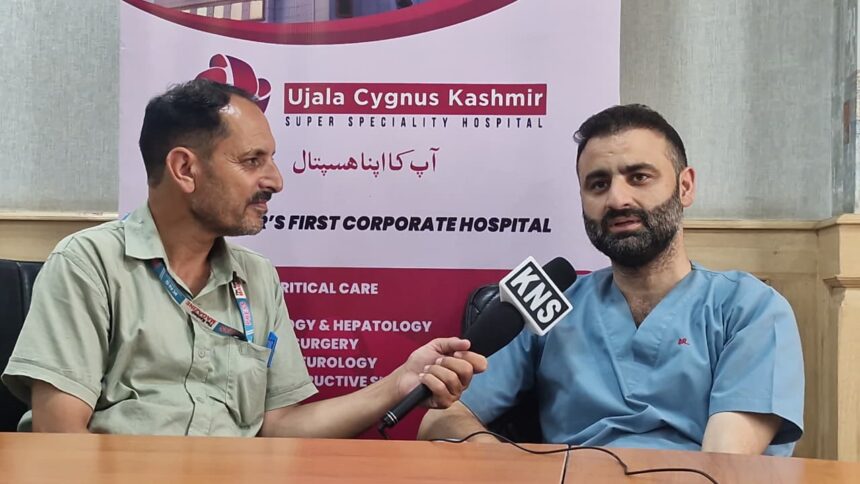
In an exclusive conversation with Kashmir Magazine Senior Correspondent Rahim Rizwan, Dr. Azhar Ajaz Khan, MBBS, MS, DrNB, Director & Head of Urology at Ujala Cygnus Kashmir Super Specialty Hospital shared vital insights on urinary tract health, kidney stones, prostate issues, and the risks of self-medication. Dr. Khan underscored that while many urinary problems are common and treatable, timely medical consultation and cautious use of painkillers are critical to preventing long-term kidney damage.
Excerpts
KM: Dr. Azhar, welcome to Kashmir Magazine. To begin with, many of our viewers repeatedly ask: what exactly is a urinary tract infection (UTI), and in whom is it most common?
Dr. Azhar: Thank you. A urinary tract infection, simply put, is a local infection of the urinary system. It is most common among females and elderly males. In women, it often occurs soon after marriage or later in life, especially after menopause, when the body’s natural barrier mechanisms weaken.
For women, having UTIs less than twice a year is considered normal. But if infections occur more frequently — more than two times in a year — then it is a matter of concern and requires medical evaluation.
KM: Many women complain that their urine test results are repeatedly “abnormal.” Should such tests be done regularly?
Dr. Azhar: No. Urine tests should not be done without symptoms. If there are no symptoms such as burning sensation, frequent urination, fever, chills, or pain while urinating, repeating urine tests has no value. Only if such symptoms appear should a urine test and, if required, a urine culture be performed.
KM: Frequent urination is a very common complaint in the elderly. What does it indicate?
Dr. Azhar: In elderly men, frequent urination usually points to prostate enlargement. After 50, the prostate gland naturally grows. This can be of two types — benign enlargement (BPH), which is non-cancerous, and prostate cancer. Distinguishing between the two is vital, and only a urologist or physician can make that distinction through proper evaluation.
KM: What is the first line of treatment for prostate enlargement?
Dr. Azhar: The first approach is always medication, which often needs to be continued long-term. If symptoms persist despite medicines, then we consider surgical or minimally invasive options. Patients must also avoid bladder irritants such as excess tea, alcohol, smoking, spicy food, and cola drinks — these can worsen urgency and frequency of urination.
KM: Many complain about urinary blockages. What are the main causes?
Dr. Azhar: Blockages can occur at two levels.
- Upper tract (kidney to bladder): Often due to stones, congenital PUJ obstruction, or ureteric strictures from infections.
- Lower tract (bladder to outside): Common in men, usually caused by prostate enlargement, stones, or malignancy.
In women, urinary blockage is rarer but may occur in the elderly due to estrogen deficiency or other factors. Overall, men are more affected due to their longer urinary tract.
KM: Coming to kidney stones, where do they occur, and when should patients worry?
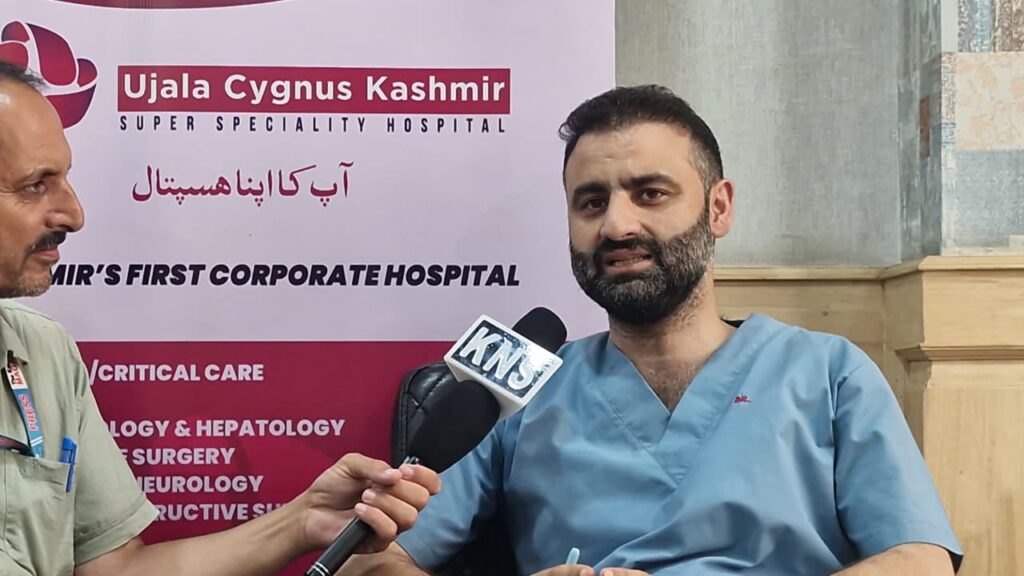
Dr. Azhar: Stones can form anywhere in the urinary tract — kidney, ureter, bladder, or urethra. If the stone is in the kidney, less than 10 mm in size, and asymptomatic, we usually manage it medically through hydration and medicines. But if the stone moves into the ureter, it causes pain, fever, or blood in urine. If these symptoms don’t resolve with medical treatment, emergency removal is necessary, otherwise the kidney risks permanent damage.
KM: Many patients rely on painkillers. What is your advice on this?
Dr. Azhar: Painkillers, especially NSAIDs, can damage the kidneys — this is called NSAID nephropathy. Patients must never self-medicate. Pain due to kidney stones or urinary issues must be evaluated by a doctor. The site and size of the stone decide the treatment, not random painkillers.
KM: If medicines don’t work, what are the modern surgical options available?
Dr. Azhar: Today, we have minimally invasive surgeries with no major incisions. For kidney stones, we perform procedures like:
- PCNL (Percutaneous Nephrolithotomy): Using small instruments directly in the kidney.
- RIRS (Retrograde Intrarenal Surgery): Breaking stones with a laser through a scope.
- URS (Ureteroscopy): Removing stones from the ureter with a small scope and stent.
For prostate issues, the gold standard remains TURP (Transurethral Resection of Prostate). In addition, newer techniques like Rezūm and UroLift are now available, which are quicker, require no major anesthesia, and allow patients to go home within hours.
KM: How do these modern methods compare with older surgeries?
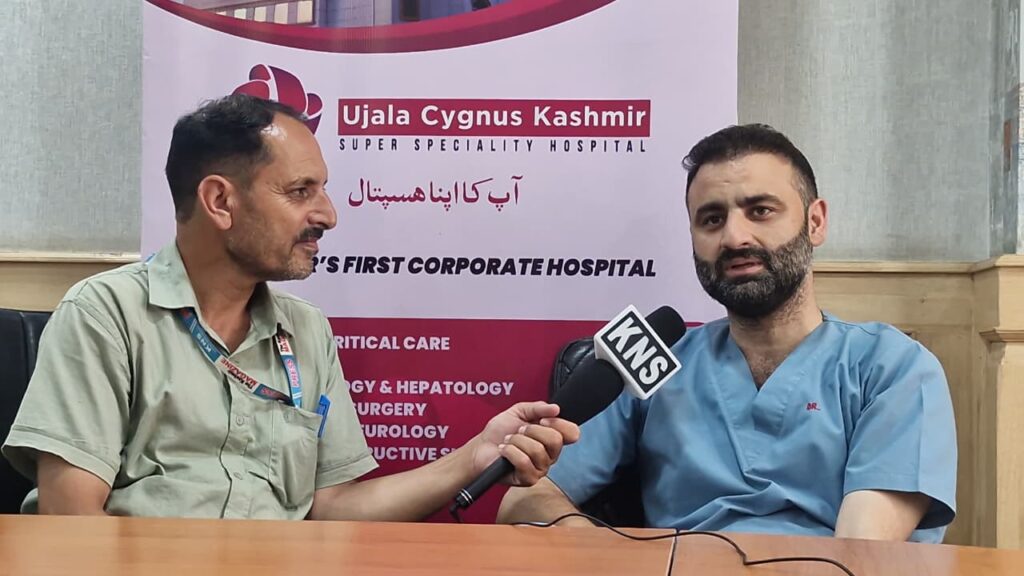
Dr. Azhar: Earlier, open surgeries left large wounds and required 5–7 days of hospitalization. Today, with minimally invasive options, patients are often discharged the next day, resume work within 24–48 hours, and achieve complete stone clearance. It is a remarkable improvement.
KM: Finally, what is your key message to our readers about urinary health?
Dr. Azhar: My message is simple: never ignore symptoms, never self-medicate. Drink adequate water, avoid bladder irritants, and seek timely consultation from a urologist. Early diagnosis and proper treatment protect the kidneys and ensure a healthy life.