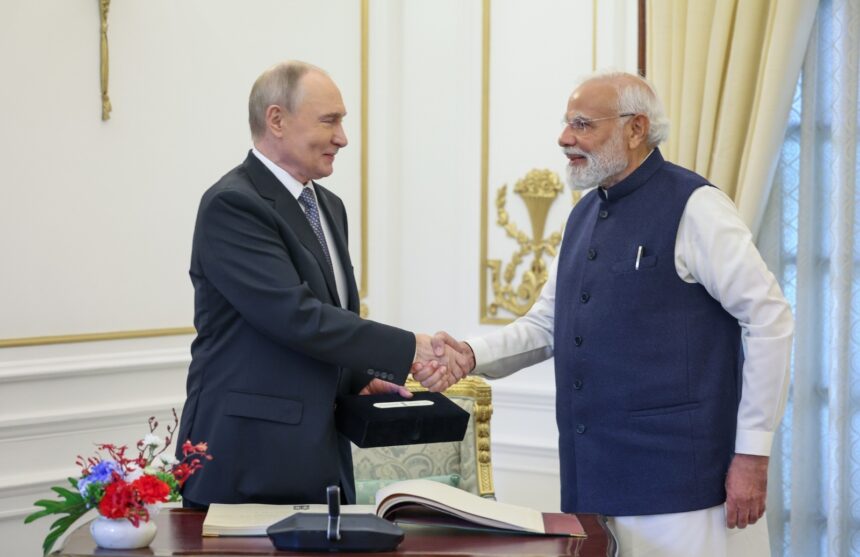
President Vladimir Putin’s visit to India was a clear signal of the strategic weight New Delhi carries in an increasingly fragmented global order. As rival power blocs harden positions, India’s sustained engagement with Russia highlighted its ability to protect core interests in defence, energy and geopolitics without being drawn into alliances. The visit reinforced India’s role as a decisive and independent global actor. Sagar Firdous reports
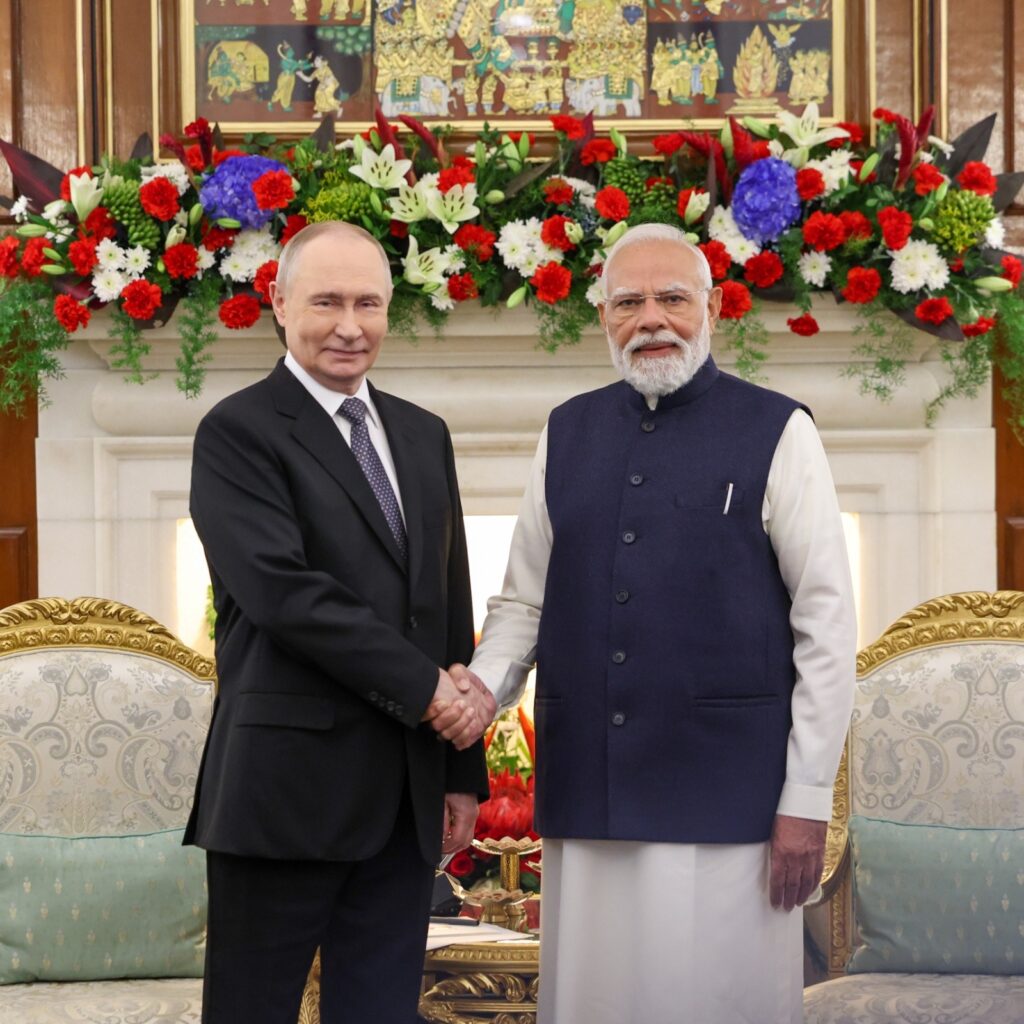
When Russian President Vladimir Putin arrived in New Delhi earlier this month, the visit carried meanings far deeper than protocol and ceremony. It was a moment closely tracked by global capitals, not because India and Russia were rediscovering each other, but because they were reaffirming a partnership that has endured profound shifts in global power.
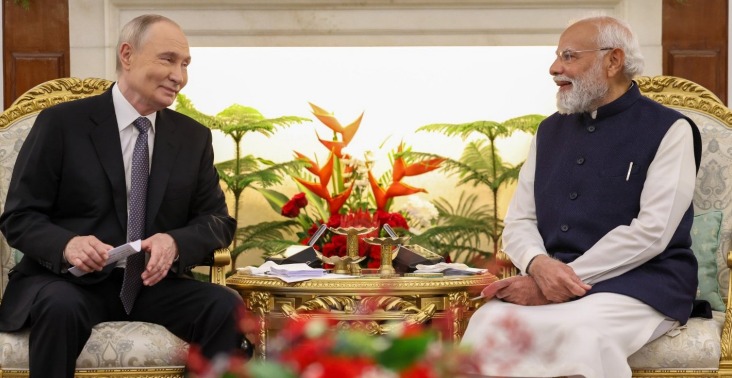
At a time when geopolitics is increasingly defined by rival blocs, sanctions regimes and competing security architectures, Putin’s visit to India stood out for its emphasis on continuity. For New Delhi, the engagement reinforced a core principle of Indian foreign policy: strategic autonomy anchored in national interest, not alliance politics.
The visit came amid Russia’s prolonged confrontation with the West, a recalibration of global energy markets, and India’s expanding footprint in the Indo-Pacific and global governance platforms. Against this backdrop, the India–Russia summit was not about dramatic announcements. Instead, it was about signalling stability, predictability and mutual relevance.
India today occupies a unique geopolitical position. It is a strategic partner of the United States, a key voice in the Global South, a leading Indo-Pacific power, and yet one of the few major countries that maintains high-level engagement with Russia.
Putin’s presence in New Delhi underlined India’s ability to sustain relationships across divides, a diplomatic capacity few nations possess. While several countries have scaled down engagement with Moscow, India has chosen calibrated dialogue, reflecting its long-term security, energy and regional interests.
For Indian policymakers, the visit reaffirmed that India is not a peripheral actor but a central interlocutor, trusted by competing global powers to engage without mediation.
India–Russia ties are often described as time-tested, but that phrase understates their structural depth. From defence cooperation and diplomatic backing to technology transfers and energy collaboration, the relationship has evolved with changing global realities.
Even after the end of the Cold War, when India diversified its foreign engagements, Russia remained a key pillar of New Delhi’s external strategy. The relationship has been periodically recalibrated but never abandoned.
Putin’s visit reflected this continuity. Discussions focused on strengthening existing frameworks rather than redefining the partnership. Officials familiar with the talks said the emphasis was on ensuring that bilateral mechanisms remain insulated from global disruptions.
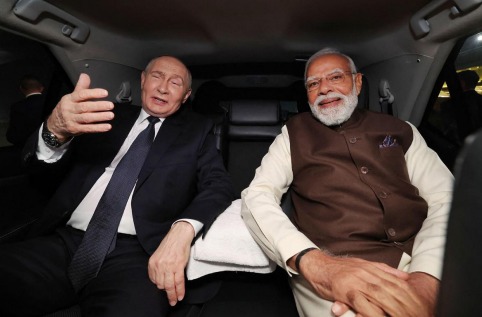
Defence remains the strongest pillar of India–Russia ties. A substantial portion of India’s military platforms continue to be of Russian origin, making sustained cooperation essential for operational readiness.
During the visit, both sides reviewed progress on ongoing defence projects, including supply chains, maintenance support and joint production initiatives. The focus, officials said, was on reliability and long-term planning rather than transactional purchases.
For India, this continuity is crucial. While New Delhi has diversified its defence acquisitions over the years, Russian-origin systems remain central to India’s military capabilities. The visit helped ensure that defence cooperation remains predictable amid global supply chain pressures.
Energy cooperation emerged as another key dimension of the talks. India’s growing energy needs, combined with volatile global markets, have made energy security a central policy priority.
Russia remains a significant partner in this space, particularly in crude oil supplies and civil nuclear cooperation. Discussions during the visit covered long-term energy engagement, with both sides reiterating their commitment to stable and mutually beneficial arrangements.
Indian officials have consistently maintained that energy decisions are driven by domestic requirements and market conditions. Putin’s visit reinforced India’s position that energy security is a sovereign decision, and engagement with Russia in this sector is guided by pragmatism rather than politics.
Despite strong strategic ties, India–Russia trade has not fully matched its potential. Recognising this, both sides reviewed efforts to expand trade beyond defence and energy into sectors such as pharmaceuticals, agriculture, manufacturing and technology.
Discussions also focused on easing trade mechanisms and improving connectivity. While challenges remain, particularly in payments and logistics, officials described the engagement as forward-looking, aimed at building a more balanced economic relationship.
For India, expanding economic ties with Russia fits into a broader strategy of diversifying trade partners and reducing vulnerabilities in an uncertain global economy.
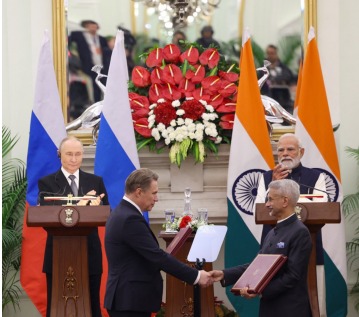
President Vladimir Putin’s visit to India unfolded against the continuing backdrop of the Ukraine conflict, a war that has reshaped global diplomacy, fractured old alignments and hardened geopolitical positions. For India, the conflict has posed a delicate challenge: how to safeguard national interests while navigating intensifying pressure from rival power blocs.
New Delhi’s approach has been consistent. India has avoided taking sides, instead calling for dialogue, diplomacy and an end to hostilities. At the same time, it has continued engagement with Moscow, arguing that communication channels are more valuable than isolation, especially in times of conflict.
Putin’s presence in New Delhi reinforced India’s belief that sustained engagement allows room for influence, moderation and strategic flexibility. Indian officials have repeatedly underlined that New Delhi’s relationship with Moscow gives it credibility with multiple stakeholders — a diplomatic asset that few countries currently possess.
Rather than constraining India’s global standing, this position has expanded it. India today is one of the few capitals capable of engaging simultaneously with Russia, the United States, Europe and key actors in the Global South.
The India–Russia summit once again brought global attention to New Delhi’s ability to manage multiple strategic relationships without being drawn into rigid alliances. As India deepens defence, technology and economic ties with the United States and its partners, it has been careful to ensure that these engagements do not come at the cost of long-standing partnerships.
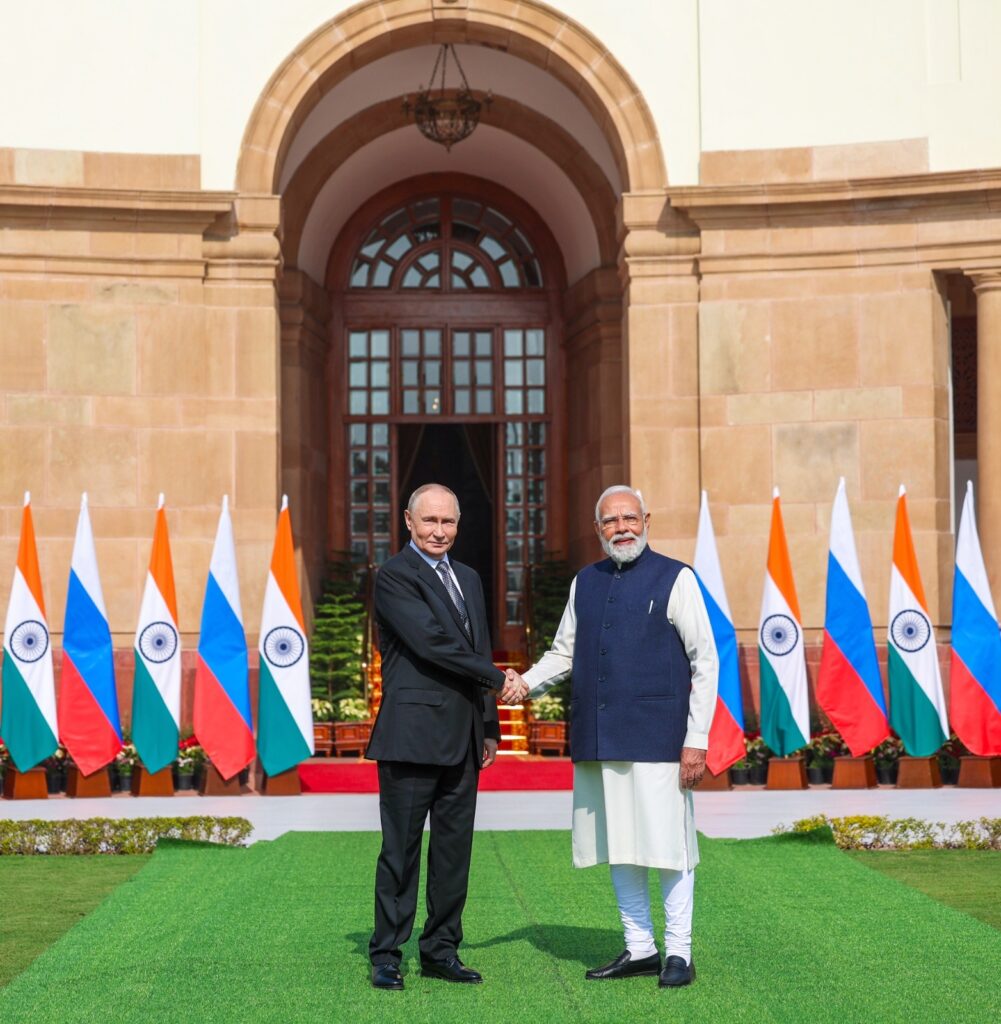
Putin’s visit underscored that India’s foreign policy is not reactive but calibrated. Officials stressed that India’s engagement with Russia is neither directed against any third country nor inconsistent with its partnerships elsewhere.
This approach often described by policymakers as “multi-alignment” — has allowed India to expand its diplomatic room for manoeuvre. The Russia relationship remains a key pillar of this strategy, offering India leverage, options and strategic reassurance in an unpredictable world.
Putin’s visit was closely monitored in Washington and European capitals, where India’s Russia ties have frequently drawn scrutiny. Yet there is a growing recognition that India’s choices are shaped by geography, history and security imperatives that differ from those of Western alliances.
For the United States, India remains a critical Indo-Pacific partner. Officials in Washington have increasingly acknowledged that India’s Russia engagement reflects legacy dependencies and present-day realities rather than ideological alignment.
China, meanwhile, views the India–Russia relationship through a different lens. While Moscow and Beijing have drawn closer in recent years, Russia has consistently signalled the importance of maintaining independent relationships in Asia. For India, strong ties with Russia add a layer of balance in a region marked by competition and rivalry.
Europe’s response has been more cautious, but India’s expanding economic engagement and role in global supply chains have ensured that its strategic choices are viewed pragmatically rather than confrontationally.
For Moscow, Putin’s visit to India was part of a broader effort to deepen engagement with Asian partners amid strained ties with the West. India occupies a unique position in this strategy not only as a major economy and defence partner, but as a country with global credibility and diplomatic reach.
Russian officials have repeatedly described India as a trusted, predictable partner a perception reinforced by sustained high-level engagement. The visit reflected Moscow’s interest in ensuring that its Asia strategy is not limited to a single axis, but diversified across the region. For India, this reinforces its relevance in shaping Eurasian and Asian geopolitics, even as it strengthens its presence in the Indo-Pacific and global forums.
While defence and energy dominated headlines, the visit also highlighted quieter but significant areas of cooperation. Technology, education and innovation featured prominently in discussions aimed at expanding long-term engagement. The focus on emerging technologies, joint research and academic collaboration reflects a recognition that future partnerships must extend beyond traditional sectors. For India, such cooperation aligns with its push to build domestic capabilities while remaining globally connected.
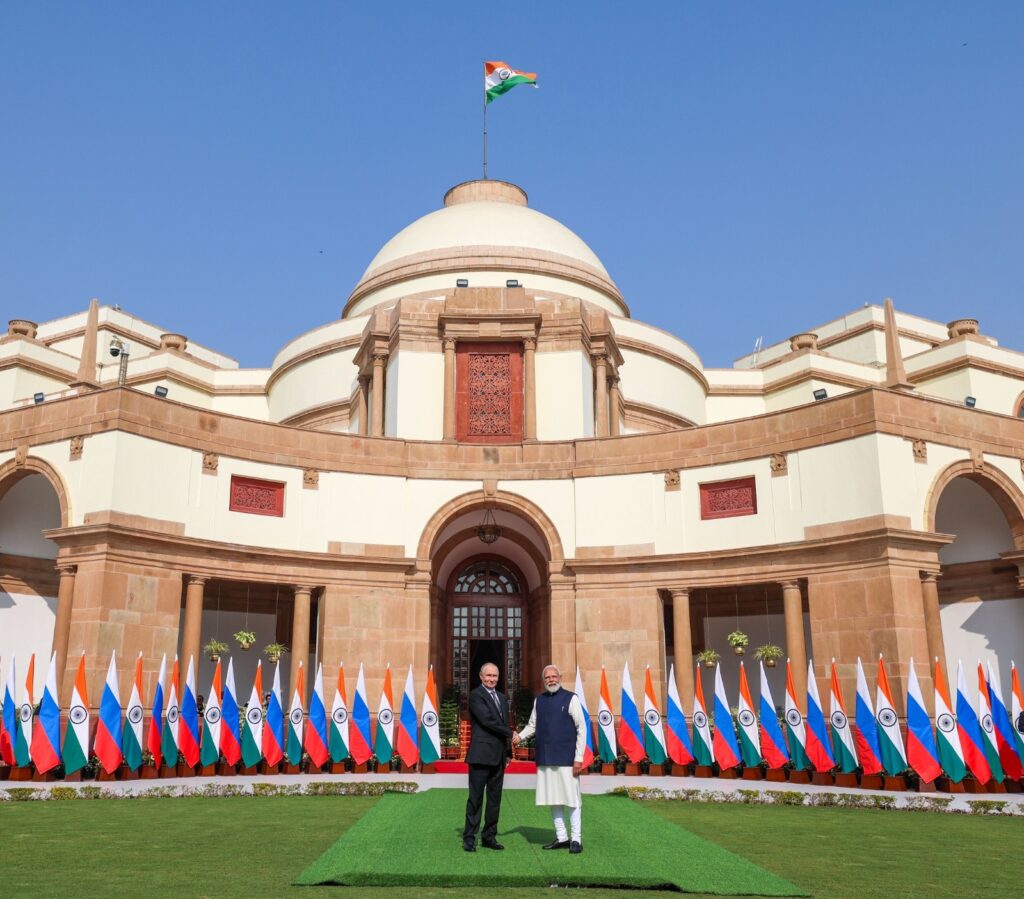
These areas may not produce immediate headlines, but they form the backbone of sustained strategic partnerships in the decades ahead.
Putin’s visit reinforced a central reality of contemporary geopolitics: India is no longer a swing state it is a shaping power. Its ability to host and engage leaders from competing geopolitical camps underscores its growing diplomatic capital. For Indian policymakers, the visit validated a foreign policy approach that prioritises flexibility, dialogue and national interest over ideological alignment. In a world increasingly divided by rival blocs, India’s approach offers an alternative model — one rooted in engagement rather than exclusion.
If President Vladimir Putin’s visit reaffirmed the durability of India–Russia relations, it also offered clues about where the partnership is headed in a rapidly changing world. Officials on both sides were careful not to frame the relationship as static or nostalgic. Instead, the emphasis was on adaptation, aligning a legacy partnership with contemporary strategic and economic realities.
India’s engagement with Russia today is less about symbolism and more about utility. Defence cooperation is evolving towards joint production and technology sharing. Energy ties are being recalibrated to meet long-term security needs. Economic engagement is being nudged towards diversification. Together, these shifts point to a partnership that is adjusting, not retreating.
While Russia remains one of India’s most important defence partners, the nature of the relationship is changing. India’s push for defence indigenisation has altered the terms of engagement, with greater emphasis on joint ventures, local manufacturing and technology transfer.
During Putin’s visit, discussions reflected this shift. Officials reviewed ongoing projects and explored avenues for deeper collaboration in areas where India seeks self-reliance but values proven platforms and long-term partners. The focus was on ensuring that cooperation supports India’s domestic defence ecosystem rather than creating new dependencies.
For India, this evolution strengthens strategic autonomy. It allows New Delhi to retain trusted defence relationships while building indigenous capacity — a balance that few countries have successfully managed.
Energy cooperation with Russia has increasingly become part of India’s broader economic and strategic planning. In a world marked by supply disruptions and price volatility, stable energy partnerships offer a measure of insulation.
Russian crude supplies, civil nuclear cooperation and discussions on long-term investment frameworks reflect India’s effort to diversify sources and manage risk. Officials have maintained that such engagement complements, rather than contradicts, India’s wider energy strategy, which includes renewables and multiple global suppliers.
Putin’s visit reinforced this pragmatic approach. Energy cooperation was discussed not as a geopolitical statement, but as a strategic necessity, one shaped by India’s growth trajectory and development priorities.
Despite progress, both sides acknowledge that economic ties lag behind strategic cooperation. Trade remains concentrated in a few sectors, and structural challenges persist. During the visit, there was recognition that expanding economic engagement will require patience, policy coordination and sustained political will.
Efforts are underway to broaden trade into pharmaceuticals, agriculture, engineering goods and technology services. Connectivity initiatives and alternative trade mechanisms were also discussed as part of a longer-term roadmap. For India, diversifying economic engagement with Russia fits into a wider strategy of reducing over-reliance on limited markets while expanding its global economic footprint.
Perhaps the most significant outcome of Putin’s visit was not a specific agreement, but the message it sent about India’s place in the world. New Delhi demonstrated that it can engage deeply with Russia while maintaining strong partnerships with the United States, Europe and key Indo-Pacific actors.
This ability to sustain parallel relationships reflects confidence rather than contradiction. Indian officials have consistently emphasised that strategic autonomy is not about equidistance, but about independent decision-making guided by national interest.
In this context, the India–Russia partnership functions as a stabilising factor in India’s foreign policy — providing options, leverage and diplomatic flexibility.
International responses to the visit underscored India’s growing diplomatic weight. While some capitals viewed the engagement cautiously, there was broad recognition that India’s choices are shaped by strategic logic rather than alignment politics. India’s continued engagement with Russia has not diminished its standing elsewhere. On the contrary, New Delhi’s expanding role in global forums, conflict mediation and economic diplomacy has reinforced perceptions of India as a responsible and independent actor. Putin’s visit added to this narrative, highlighting India’s ability to host and engage major powers without being drawn into binary choices.
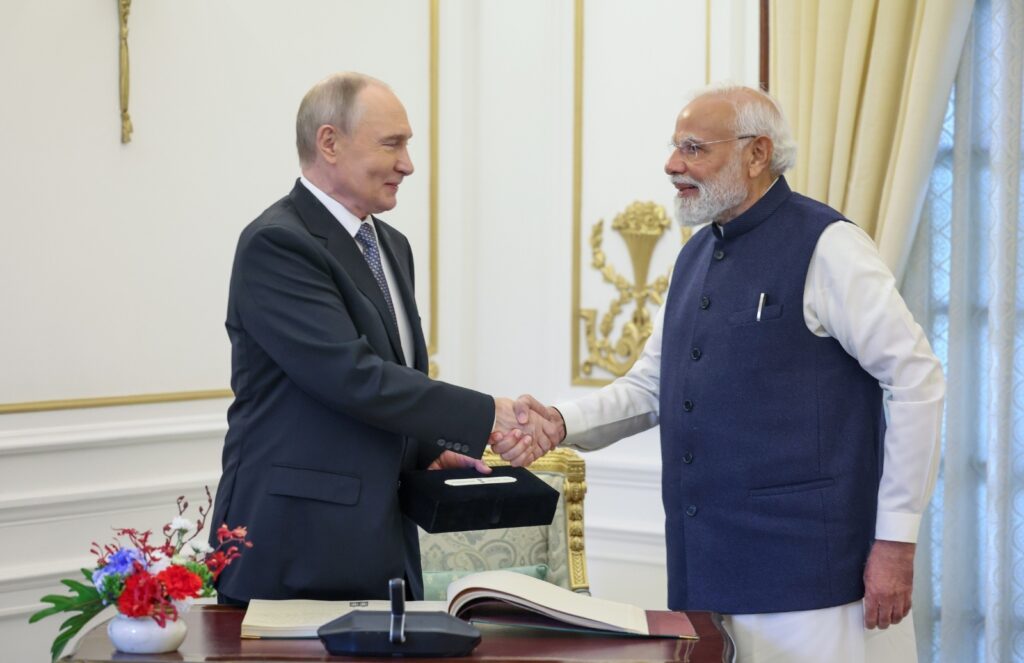
As the visit concluded, the overarching message was one of steady continuity rather than dramatic change. India and Russia are not redefining their relationship; they are recalibrating it.
For India, the partnership remains a strategic asset, one that supports national security, energy stability and diplomatic flexibility. For Russia, India remains a trusted partner in Asia, offering engagement without conditionality.
In an era of global uncertainty, the India–Russia relationship continues to provide both sides with strategic reassurance. Putin’s visit served as a reminder that while the world around them may be shifting, the fundamentals of this partnership remain intact.
President Vladimir Putin’s visit to India was not about defying global pressure or choosing sides. It was about reaffirming India’s capacity to act independently in a complex world.
By sustaining strong ties with Russia while deepening partnerships elsewhere, India has positioned itself as a bridge rather than a bloc member. This approach enhances New Delhi’s geopolitical relevance and reinforces its role as a shaping power in global affairs.
As global alignments continue to evolve, India’s ability to maintain diverse strategic partnerships may well prove to be one of its greatest diplomatic strengths.