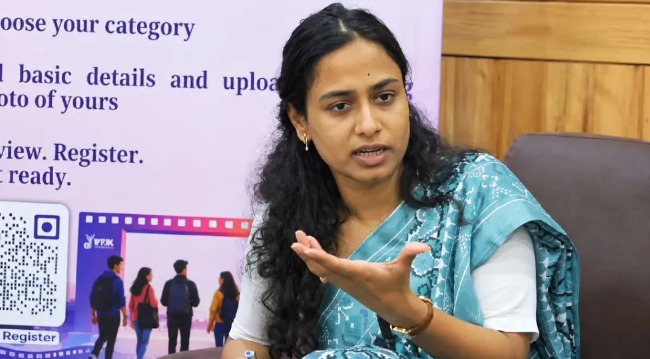
In Conversation with Kashmir Magazine, Director Information and Public Relations Shreya Singhal speaks opens up about taking local talent to a global platform, bringing filmmakers to the Valley, and building an ecosystem beyond shooting locations
KM: Jammu and Kashmir has for decades been known as a preferred location for filmmakers. What made the government feel that this was the right time to organise its first international film festival?
Shreya Singhal: The idea is to convert filmmaking into a film economy for Jammu and Kashmir. That is the larger thought behind the festival.
Jammu and Kashmir already has a longstanding association with cinema. Filmmakers and production houses have been coming here to shoot films and songs. But we want to take that relationship further.
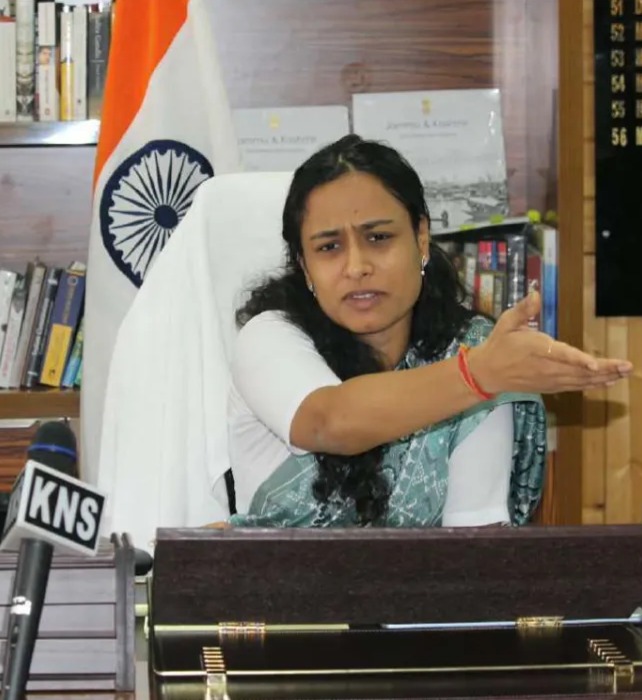
We want Jammu and Kashmir to become a place where local artists, filmmakers, producers and technical professionals get opportunities to work with people from outside the region and gain international exposure.
The festival is one way of creating that platform.
KM: So the intention is not simply to bring films to J&K, but also to take J&K’s talent to the people who make films across the world?
Shreya Singhal: Exactly. That is one of the central objectives.
Definitely, the major aim of this festival is that our local talent should get exposure on the international platform and our international acclaimed artists and filmmakers should also get to know how much talent we have here.
We want the interaction to happen in both directions.
A filmmaker coming from another country or another part of India should be able to meet local artists and professionals. At the same time, someone from J&K who is trying to build a career in cinema should get an opportunity to interact with people who have already worked in different film industries.
KM: The festival has a dedicated J&K Select section. What was the thinking behind creating a separate space for local work?
Shreya Singhal: J&K Select is specifically intended to showcase local artists, producers and filmmakers.
If we are bringing films from more than 40 countries, it is equally important that work from Jammu and Kashmir has its own space.
The festival will have seven categories, including International Panorama, Bharat Panorama, Cinema of the World, Documentary, Hybrid Documentary and J&K Select.
So local work will be part of the larger festival programme rather than being treated separately from the international environment.
KM: What scale are you looking at for the first edition?
Shreya Singhal: We are looking at a four-day festival with more than 130 films from over 40 countries.
There will also be more than 300 invited delegates from different parts of the world.
Apart from film screenings, there will be masterclasses, panel discussions and conversations with people from different areas of filmmaking.
We want it to be a platform for knowledge-sharing as well as entertainment.
KM: When people hear “film festival”, they often think of actors and stars. You have spoken about the technical workforce as an important part of the festival. Why?
Shreya Singhal: Because cinema does not happen only in front of the camera.
Behind a film there is a whole technical team working day and night to bring the film to the screen.
Behind it, there are cinematographers, writers and many other technical professionals.
That is why the masterclasses are not going to focus only on actors or actresses. We want to give substantial attention to the technical side of filmmaking.
Cinematography and writing are among the areas that will be covered. Brand partners are also expected to showcase the latest filmmaking equipment and technology.
For young people, seeing the technology and hearing directly from professionals can give them a better understanding of the industry.
KM: Does that also explain the focus on masterclasses?
Shreya Singhal: Yes. We want young people to have access to people who have actually worked in the industry.
There are many successful artists and professionals who have built careers across different film industries. They can talk not only about their achievements but also about the difficulties they faced.
Their survival stories are important.
A young person thinking about cinema as a profession should know that behind every successful career there is a journey, and there are challenges along the way.
KM: What kind of participation are you hoping for from young people in J&K?
Shreya Singhal: We want students and young people to participate in large numbers.
Students from universities, film and media institutions, mass communication students, film enthusiasts and anyone curious about filmmaking can attend.
The presence of stars, producers, directors and cinematographers at one platform gives young people an opportunity to see the industry from close quarters.
It can also help them understand that cinema is not only entertainment. It can be a professional field.
KM: J&K already has a large pool of young people interested in cinema. What, according to you, is missing?
Shreya Singhal: Exposure is one important part.
There is talent here. We want people from outside Jammu and Kashmir to see that talent.
Our expectation is that filmmakers should feel welcome to come here. We have talent both in terms of cast and technical quality of the workforce.
If a filmmaker comes here for a production and works with local artists and technicians, that creates opportunities for the local workforce.
That is the kind of ecosystem we want to develop.
KM: How do you see the relationship between shooting in J&K and creating employment here?
Shreya Singhal: When a production comes to a place, there are many people involved apart from the actors.
There are technical teams, production teams and people working across different stages of filmmaking.
If local professionals become part of these productions, they gain experience and employment.
Therefore, our objective is that filmmakers should not only come here to shoot and leave. They should also be able to engage with the talent available here.
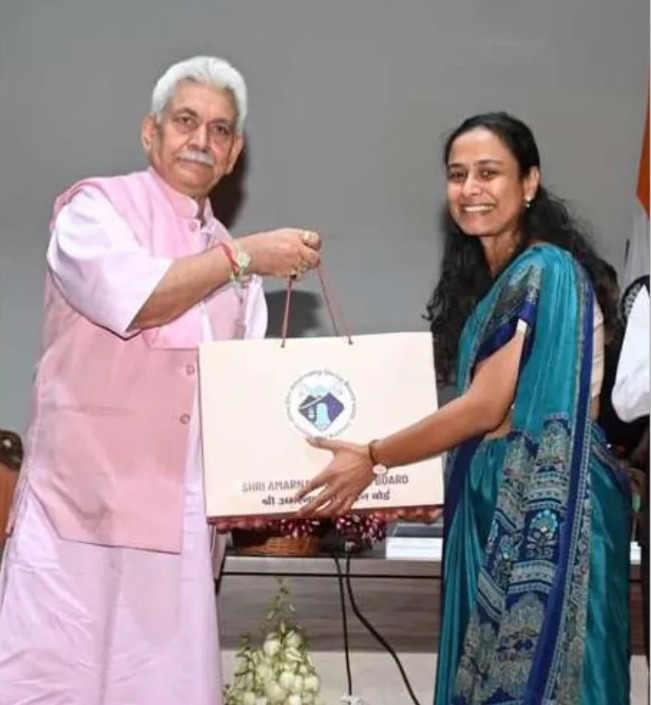
That is how filmmaking can become an economy rather than remaining only an activity around locations.
KM: You expect filmmakers and professionals from different countries to attend. What kind of interaction do you expect between them and local talent?
Shreya Singhal: Artists and professionals will get an opportunity to meet, exchange contacts, share experiences and explore collaborations.
That is one of the useful things about bringing people together physically.
Someone may meet a filmmaker at a panel discussion, another person may meet a cinematographer during a masterclass, and those conversations can continue beyond the festival.
We want to create that space.
KM: Why was international participation important for the first edition?
Shreya Singhal: Because the objective is to create exposure at an international level.
We are not looking only at screening international films. We want people from the international film community to come to Jammu and Kashmir and interact with local people.
At the same time, our local talent gets an opportunity to understand different filmmaking practices and meet professionals from different countries.
KM: You have described the festival as a platform for both knowledge-sharing and entertainment. How do you see those two elements working together?
Shreya Singhal: A festival should obviously have films and entertainment, but it can also become a place where people learn.
That is why we have included masterclasses, panel discussions and conversations.
We want someone who comes to watch a film to also have the opportunity to attend a discussion, meet a filmmaker or learn something about cinematography or writing.
KM: Is the intention to make IFFJK an annual festival?
Shreya Singhal: Yes, the intention is that it becomes an annual affair.
For the first edition, we want to establish a strong benchmark in terms of cinematography and filmmaking quality.
Subsequent editions can build on that foundation.
If filmmakers, producers, directors, cinematographers and other professionals come to Jammu and Kashmir every year, it can create momentum around the industry and increase awareness among young people.
KM: Ultimately, what would success look like for the government beyond the four days of the festival?
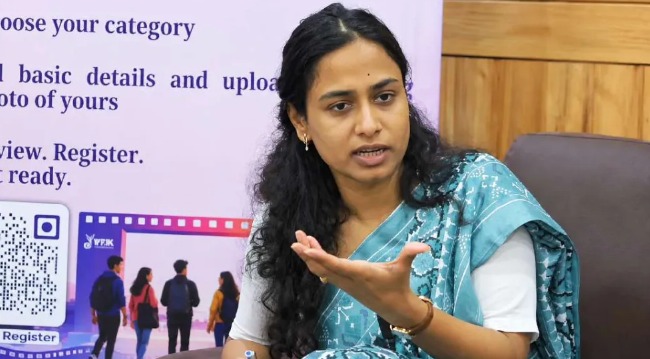
Shreya Singhal: The larger objective is to create a wider ecosystem in which filmmakers, local talent, technical professionals and the global film industry can connect.
Jammu and Kashmir already has a cinematic legacy. We want to use that legacy to create more opportunities for the people here.
Our expectation is that filmmakers should see Jammu and Kashmir as a place where they can come, work and find talent.
The idea is to convert filmmaking into a film economy for Jammu and Kashmir.
KM: Thank you for having us
Shreya Singhal: Thank you