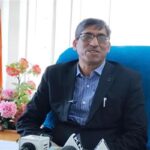
In a candid conversation with Kashmir Magazine Editor Mohammad Aslam Bhat, NLCO Chairman Manzoor Ahmad Wangnoo opens up about reviving Srinagar’s wetlands, battling land mafias, working with the administration, and inspiring people to reclaim Kashmir’s lost ecological heritage.
Excerpts
KM: When did the idea of taking up this kind of environmental work truly take shape for you?
Wangnoo: I did not begin with a team. I started alone, and people gradually joined me along the way. The turning point was realising where we stand today, just look at what has happened to our water bodies, wetlands, springs and forests over the last 35 years. We exploited them without remorse. Now, with people’s cooperation and government support, a sense of responsibility is emerging.
Years ago, during a TV interview, I was given just 20 seconds to deliver a message. In that moment, I said something that has stayed with me ever since: this feeling should come to you, to me, to the people and to the government. If all of us carry that feeling, there is hope. I’m always positive that God helps when intent is right.
KM: Government support has historically been slow. Has that changed for your projects?
Wangnoo: Yes. For the first time in 75 years, an initiative I pushed was approved from the ground up. People like Bashir Sahib from LCMA played their part. The file reached the right offices, and the Cabinet cleared it. The Lieutenant Governor himself visited and announced a college. Once institutions back these efforts, the momentum becomes real.
KM: You often mention restoration beyond Dal Lake. What lies ahead?
Wangnoo: We are setting examples, not ticking boxes. Take the Khimber mountain it’s almost naked. We are planning a massive plantation drive there. And you’ll be surprised: once we began planting, nature rewarded us with springs. Some were already known; others reappeared after decades. The administration allowed us to restore them.
KM: You often speak about the old navigation route. What has been lost?

Wangnoo: We had a tourist navigation system decades ago. From Dal to Wular via channels like Khushalsar and Anchar, you could take a shikara and enjoy the journey. Tourists loved it. We want to revive that with the government’s support. We have even rehabilitated 115 families along one of the channels. But that entire route needs fixing to function again.
KM: You coined the term “Midnight Mafia” for encroachers. What exactly happens?
Wangnoo: At night, unscrupulous people plant willow trees in water bodies. Those willows grow fast. Then they fill the land behind it, cutting off the water. That’s how water bodies die—quietly and illegally. Then these patches are sold for lakhs in places like Zadibal, Sazgaripora and Khushalsar. Thankfully, the administration and police are working with us now. There are challenges from failed politicians and vested interests, but people can now distinguish between tokenism and real work.
KM: Has external attention helped, especially after your meetings with officials and parliamentary delegations?
Wangnoo: Recognition helps when it leads to accountability. Recently, a parliamentary delegation visited. They had engagements with several departments and banks—Canara Bank, JK Bank, and others. But they gave me more time than scheduled. Once they saw the ground reality in Pokhribal, Khushalsar and Gilsar, they asked me to submit everything in writing to a competent authority. That matters.
KM: Finally, how critical is public participation in saving these landscapes?
Wangnoo: Without people, nothing moves an inch. Media has backed us, and I’m grateful. People are joining us—they must, because this valley was once called Jannat-e-Benazir for a reason. The work ahead is enormous, but it is possible if we act together, not just complain.